-22.png)
Winter Car Care: Is Detailing Worth It During Cold Months?
Winter throws a lot at your car: salt, snow, slush, and freezing temperatures that can wreak havoc on both the exterior and interior. Many car owners skip detailing during the colder months, assuming it's pointless until spring rolls around. But expert car detailing during winter can actually protect your vehicle when it needs it most. This post breaks down why winter car care matters, how to guard against rust and salt damage, and what you need to know to keep your ride in solid shape. We'll also look at whether hiring a pro or going the DIY route makes more sense for your situation.
Importance of Winter Car Care
Taking care of your car in winter helps it run well and last longer. Cold temperatures affect different parts of your vehicle, from battery life to tire pressure. Make sure your tires stay properly inflated for better grip on icy roads. Using the right oil and staying on top of oil changes protects your engine from the cold. Check your antifreeze and other fluid levels regularly to avoid freeze-related damage. Staying on top of these tasks helps you dodge expensive repairs later.
Protection Against Salt and Snow
Keeping your car clean and protected during winter means staying ahead of salt and snow damage.
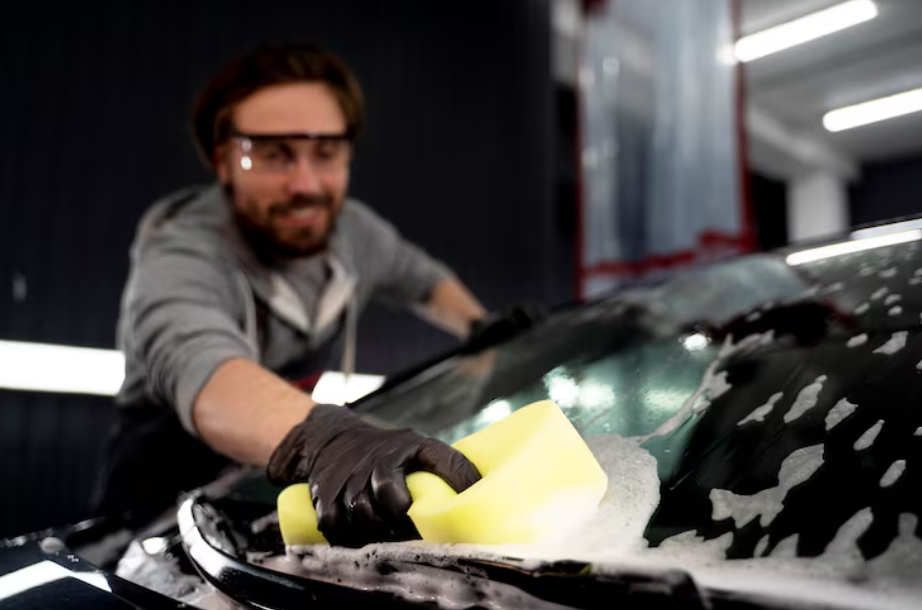
- Regular Washes: Washing your car often removes salt and snow buildup before they cause corrosion and rust.
- Undercarriage Protection: A specialized undercarriage coating acts as a barrier against salt and moisture, protecting the areas most at risk.
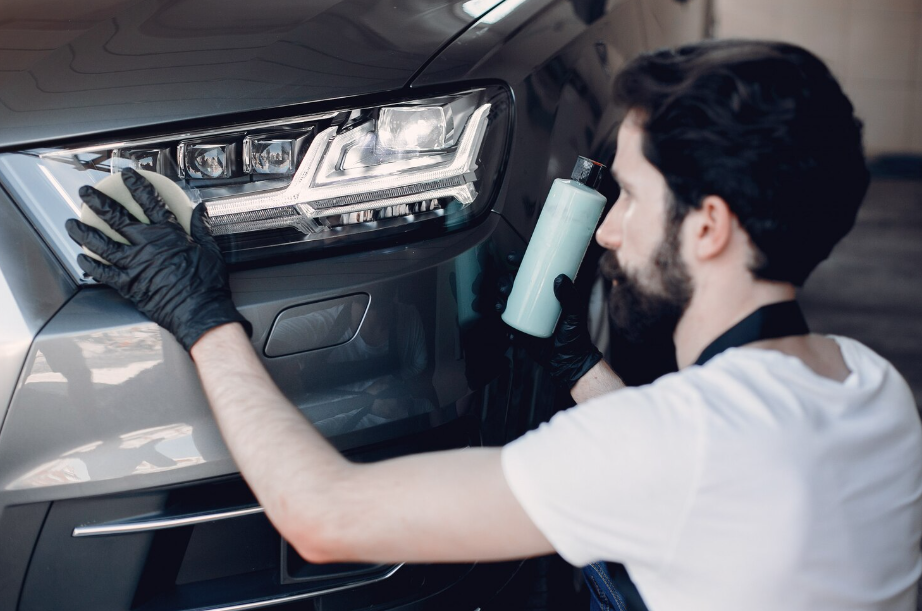
- Wax and Sealant: A good wax or sealant adds a protective layer to your paint, reducing scratches and shielding the finish from winter weather.
Maintaining Resale Value
If you plan to sell your car down the line, winter care directly affects what you can get for it. Detailing during cold months helps preserve your vehicle's appearance, which buyers notice right away. Cleaning and protecting the exterior from salt and snow prevents long-term damage that chips away at your car's worth. Fixing small cosmetic issues quickly prevents them from becoming bigger problems. Prioritizing winter upkeep now means a better return when it's time to sell.
Preventing Rust and Corrosion
Applying a quality rust inhibitor protects your car's metal parts from corrosion throughout winter. This step is key to keeping your vehicle structurally sound for years. Here's what to keep in mind:
- Choose a corrosion-resistant coating: Pick a rust inhibitor that creates a strong barrier against moisture and salt.
- Focus on vulnerable areas: Pay extra attention to spots that rust the undercarriage, wheel wells, and door sills.
- Regular inspections matter: Check periodically for any rust or corrosion starting to form, and handle it fast before it spreads.
Enhancing Visibility and Safety
Good visibility is non-negotiable when driving in winter conditions. Start by keeping your windows clean inside and out. Dirty glass makes it hard to see, especially in low light or when glare from snow and ice is present. Use a quality glass cleaner on your windshield, side windows, and mirrors regularly. Replace windshield wipers that streak or smudge, since worn blades kill your visibility fast. A hydrophobic coating on exterior glass helps repel water, snow, and ice for clearer sightlines. These small steps make a real difference in staying safe on winter roads.
Professional Detailing Vs. DIY
Clean windows and protected paint are part of solid winter car care, but the bigger question is: should you hire a pro or do it yourself?
Key Considerations:
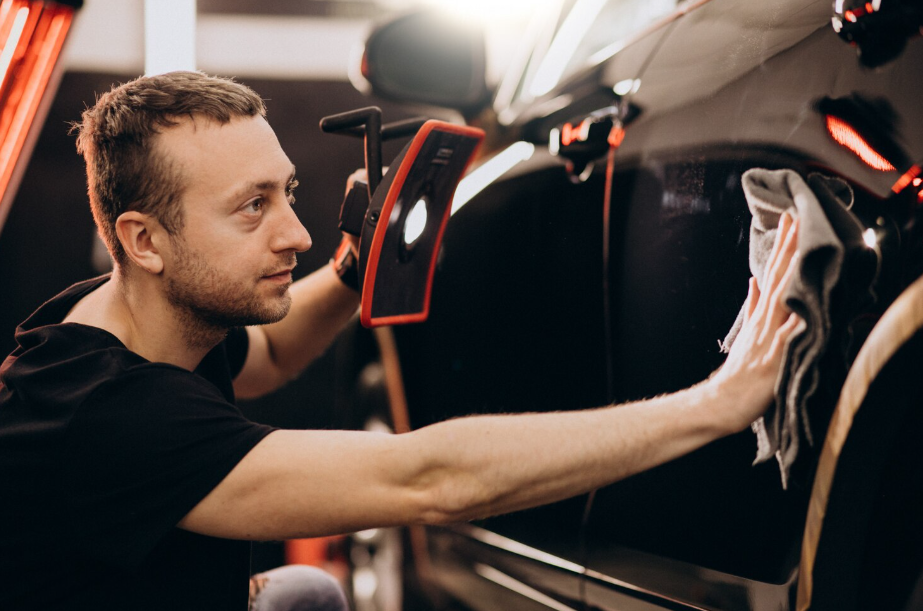
- Expertise: Professional detailers have the training and experience to handle a range of detailing tasks quickly and correctly.
- Time and Effort: DIY detailing takes serious time and elbow grease to match professional results.
- Cost Analysis: Weigh the price of professional services against buying your own equipment and products.
Consider your priorities, skill level, and budget when deciding which route best fits your winter car care needs.
Related Topics: