-22.png)
What to Expect When You Get Your Car Washed for Auto Detailing
Getting your car washed for auto detailing is more involved than many people expect, and that’s usually a good thing. Trusted car detailing focuses on more than just making the car look clean for a day or two. The process is about understanding the condition of the vehicle and deciding what areas need extra care.
Some cars need a solid refresh, while others have stains, worn paint, or buildup that takes more time. This article walks through what actually happens during auto detailing, step by step, so you know what to expect before handing over the keys.
Initial Assessment
Every proper detailing job starts with a careful look at the vehicle. This part matters more than people realize. The detailer checks the paint, trim, wheels, tires, and glass, looking for wear, scratches, buildup, or problem areas.
Interiors are looked over, too, especially spots that collect dirt without being obvious at first glance. This inspection helps shape the plan for the rest of the service. No two vehicles are exactly the same, and that early evaluation helps avoid rushing through areas that need more attention.
Interior Cleaning
Interior cleaning goes far beyond a quick vacuum. Carpets, seats, and floor mats are thoroughly cleaned to remove dirt that settles deep over time. Cup holders, door panels, dashboards, and tight spaces are wiped down carefully since those areas tend to collect grime without being noticed. If there are stains or spills, they are treated slowly to avoid damage to the material.
Upholstery is cleaned and refreshed so it looks and smells better without feeling harsh or overworked. Before moving on, the interior is rechecked to make sure nothing was missed, because small details are usually what people notice first when they get back into the car.
Exterior Washing
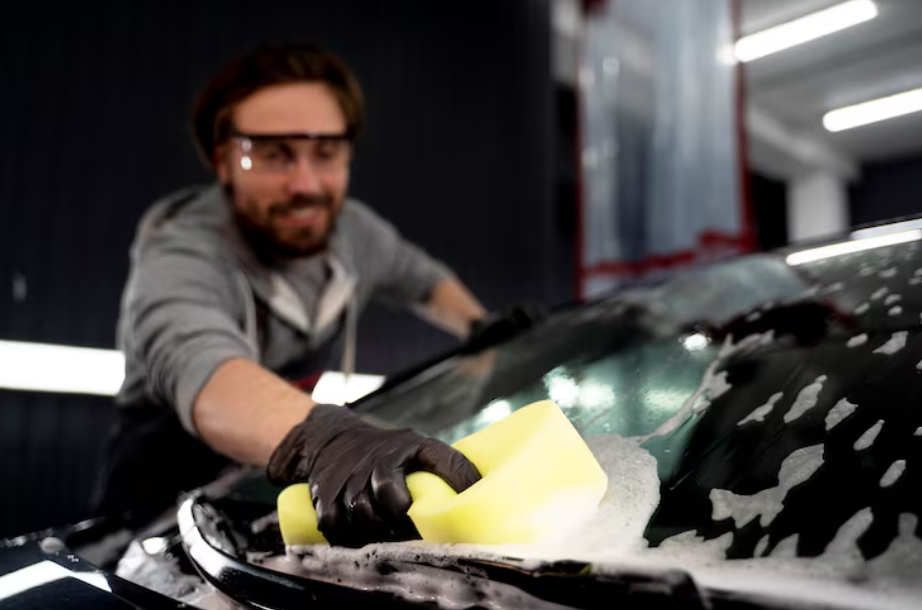
Exterior washing is done with care, not speed. The process starts with a rinse to loosen dirt and debris. After that, a proper car shampoo is applied using soft mitts designed to avoid scratching the paint. Areas that hold onto grime, like badges, trim, and around mirrors, are cleaned gently with the right tools.
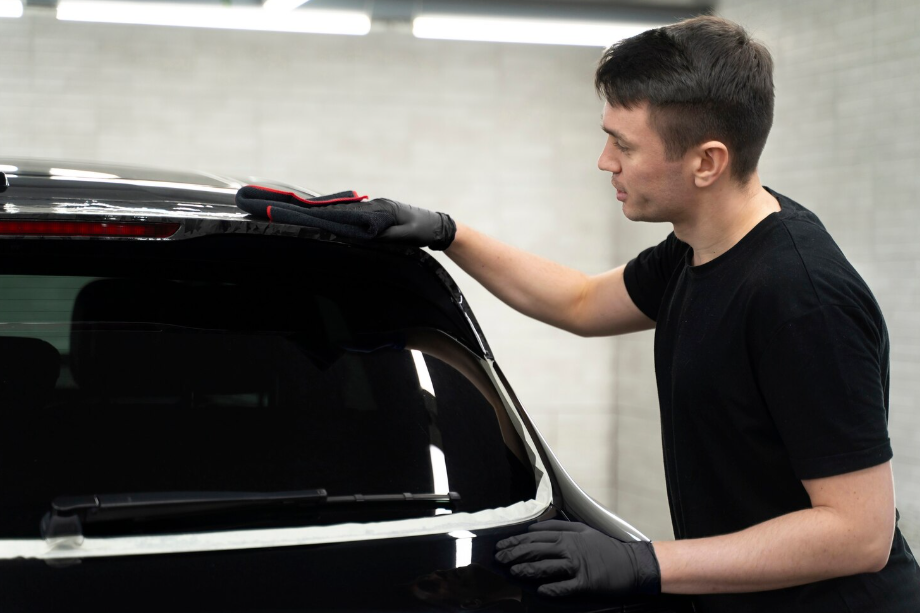
Once everything is washed, the car is rinsed again and dried by hand using microfiber towels. This helps prevent streaks and water spots, which can ruin an otherwise clean finish.
Paint Correction
Paint correction takes patience. It begins with a close look at the paint to find swirl marks, light scratches, or dull patches. The correction itself is done carefully, using polishing tools and compounds to smooth the surface and even out the finish. This step can take time, especially on vehicles that haven’t been detailed in a while.
Once the work is done, the paint is rechecked to make sure the surface looks consistent and clean. The goal is not perfection at all costs, but noticeable improvement that actually lasts.
Polishing and Waxing
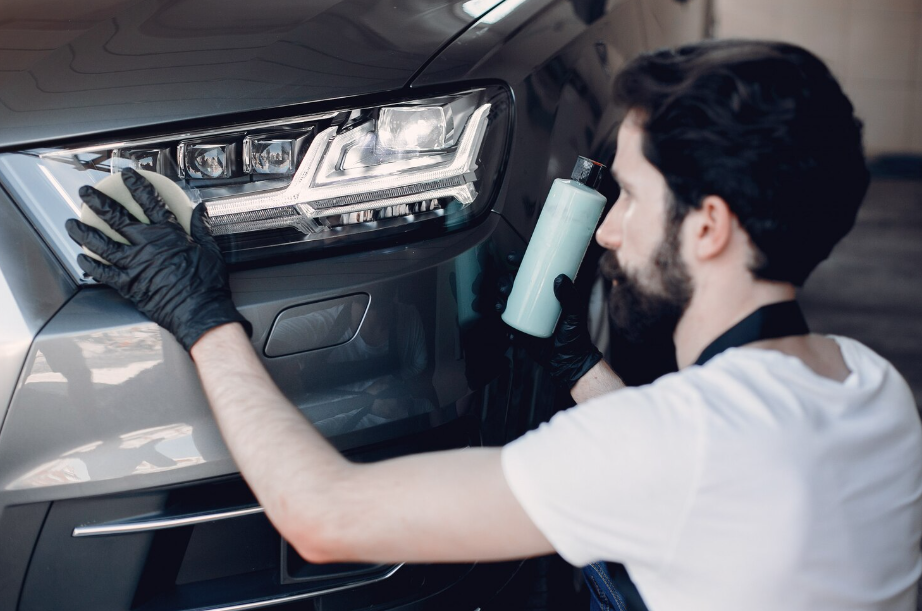
Polishing and waxing help bring everything together. Polishing clears up the paint and improves its clarity, which makes the color look deeper and more even. Wax is then applied to protect the surface and give it a smoother feel.
It also helps repel dirt and water, which makes future cleaning easier. This part of the process is done evenly across the vehicle, so the finish looks consistent instead of patchy or rushed.
Final Inspection
Before the job is considered finished, the vehicle goes through one last inspection. The paint is checked under different lighting to spot anything that might have been missed. Any leftover residue from polish or wax is removed.
Corners, edges, and small spaces are rechecked because those are easy to overlook. This final pass helps ensure the car leaves looking clean, balanced, and properly finished, not just shiny at first glance.
Related Topics: